Unleashing Western Charm: The Vintage Cowboy Hat Font
Finding the perfect typeface often feels like searching for a needle in a haystack, especially when you need a design that conveys a very specific vibe. You might be working on a rustic wedding invitation, a craft fair logo, or a social media campaign that needs a touch of nostalgia. If your goal is to evoke the spirit of the American West with a handcrafted aesthetic, standard serif font or sans serif font options might feel too corporate or sterile. This is where specialized design assets come into play, specifically the Vintage Cowboy Hat typeface.
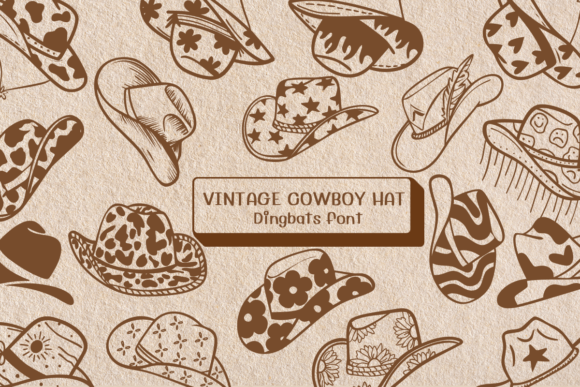
Unlike standard typefaces that focus purely on legibility, Vintage Cowboy Hat is a dingbats font with a distinct sketch style. It operates differently than a traditional script font or handwritten font. Instead of relying solely on letters to form words, it utilizes decorative symbols to create imagery. For anyone involved in logo design, packaging design, or DIY crafting, understanding how to leverage these symbolic elements can transform a flat layout into a dynamic visual story.
The Visual Personality of a Sketch Style Typeface
When we talk about the visual characteristics of Vintage Cowboy Hat, we are looking at a texture-heavy, artistic approach. The "sketch style" implies that the graphics appear hand-drawn, likely featuring rough edges, cross-hatching, or irregular lines that mimic the look of ink on paper. This gives the font a raw, organic quality that digital perfection often lacks.
The personality of this premium font is undeniably rugged and nostalgic. It speaks to a time of craftsmanship and individuality. In the context of modern typography, using a sketch-style dingbats font is a strategic choice to break the grid. It adds a human element to digital work, which is crucial for content creators and marketers trying to build authentic connections with their audiences. The "cowboy hat" theme suggests a focus on Western iconography, making it a niche but powerful tool for specific branding needs.
Strategic Applications for Creatives and Businesses
The versatility of a themed creative font like Vintage Cowboy Hat lies in its application across various media. Because it functions as a display font and a set of icons, it is best used for impact rather than long-form reading.
Branding and Logo Design
For small business owners and entrepreneurs in niche markets—such as leather goods, barbecue restaurants, rodeos, or vintage clothing—this font can be a cornerstone of brand identity. A sketch-style graphic integrated into a logo adds instant character. It suggests that the brand values tradition and authenticity. When selecting design assets for a rebrand, consider how the hand-drawn nature of these icons contrasts with clean sans serif font lettering to create a balanced visual hierarchy.
Editorial and Publishing Design
Publishers and bloggers can use Vintage Cowboy Hat to create thematic breaks in articles or unique pull-quote designs. In editorial design, visual consistency is key. Using these sketch elements as recurring motifs in headers or sidebars can tie a publication together. It works particularly well for travel blogs focusing on the Southwest, lifestyle magazines with a rustic aesthetic, or event programs.
Events and Crafting
The mention of wedding invitations and DIY projects is where this font truly shines. Hobbyists and crafters often struggle to find clipart that doesn't look generic. A dingbats font provides a cohesive set of images that share the same line weight and style. Whether you are designing a seating chart for a barn wedding or creating custom t-shirts for a family reunion, the consistent sketch style ensures that the final product looks professional.
Influence on Visual Hierarchy and Audience Engagement
Typography is not just about reading; it is about seeing. Vintage Cowboy Hat influences visual hierarchy by acting as a focal point. Because the sketches are detailed and textured, they draw the eye immediately. This makes them excellent anchors for call-to-action buttons in web design or the focal point of social media graphics.
However, readability requires careful consideration. You would never set a paragraph of body copy in a dingbats font. Instead, this asset is about font pairing. The rough, organic nature of the Vintage Cowboy Hat icons pairs exceptionally well with clean, geometric typefaces. For example, combining these sketch elements with a bold, modern sans serif font creates a "high-low" contrast that feels both contemporary and grounded. This contrast helps maintain professionalism while still showcasing personality.
Practical Guidance for Implementation
Integrating a commercial font like this into your workflow requires a bit of planning. Here is how to get the most out of your investment:
- Evaluate Project Fit: Before downloading, ensure the "cowboy" theme aligns with your client's message. While it works for Western themes, it might be a stretch for a corporate fintech app. It is about context and audience expectation.
- Review Included Styles: Check if the font file includes variations. Does it have filled versus outline versions? Are there matching alphabets? Sometimes premium font packages include a matching handwritten font or script font that complements the dingbats perfectly.
- Test Font Pairing: Spend time testing the icons against different backgrounds. A sketch style can get lost on a busy photo background. You may need to place the icons inside a solid shape (like a circle or badge) to ensure they remain legible in web design or print.
- Check Commercial Licensing: This is critical for entrepreneurs and marketers. Ensure the license covers your intended use. If you are selling merchandise (like mugs or shirts) featuring the font graphics, you typically need an extended or commercial license rather than a standard desktop license.
Ultimately, Vintage Cowboy Hat is more than just a set of symbols; it is a stylistic shortcut. It allows designers and content creators to instantly inject a sense of history and craftsmanship into their work. By treating it as a strategic design asset rather than just a novelty, you can use it to create compelling brand identity systems, engaging packaging design